Ask FMYCAR · free, no account
Car-buying questions, answered straight.
Plain answers to the questions people search before they buy: bad credit, down payments, monthly payments, cheap reliable cars, trade-ins and dealer paperwork. Written from the dealership side of the desk. Where the honest answer is “it depends,” we say so and tell you what it depends on.
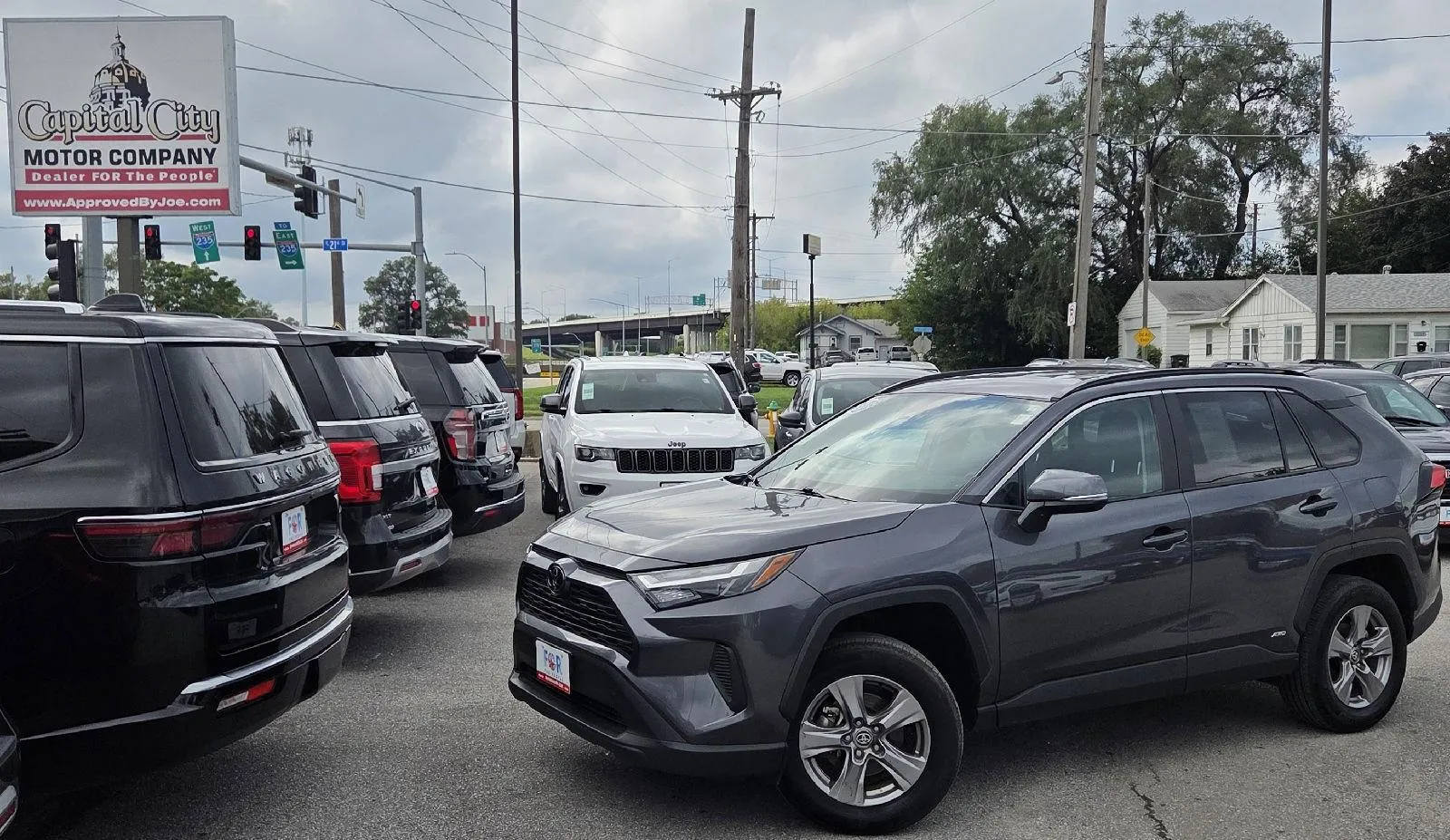 2025 Toyota RAV4 Hybrid · $35,630
Pick your topic
We ordered these by what car buyers search for most. Tap a question to open the answer.
Bad credit, no credit, or declined
Can I buy a car with bad credit?
Usually, yes. Many lenders work with low scores. The catch is the rate: a lower score often means a much higher APR, so the same payment buys less car and costs more over the loan. Before you shop, get a pre-approval from a credit union or bank. Then you walk in knowing your real rate, and you can tell if the dealer’s offer is better or worse.
Read next: Bad credit car buying guide · Credit score tiers · Affordability calculator
I got denied for a car loan. What should I do next?
First, find out why. A lender that turns you down must tell you the main reasons, or tell you how to ask for them, and you can get your credit reports free at AnnualCreditReport.com to check for mistakes. Common fixes are a bigger down payment, a cheaper car, a shorter list of other debts, or a co-signer. Don’t apply at five dealers in a row hoping one says yes. Pick one or two lenders that fit your situation and fix the reason first.
Read next: Bad credit car buying guide · Rate shopping without hurting your score · Co-signers, explained
Can I get a car loan after a repossession?
It is possible, but expect a higher rate and a bigger down payment, especially in the first year or two. A repossession can stay on your credit report for up to 7 years, and you may still owe a deficiency balance on the old loan. Lenders look hard at whether that balance is paid or settled. Steady income, on-time payments since, and a modest car all help.
Read next: Repossession, explained · Deficiency balance · Buy-here-pay-here and subprime loans
Are “no credit check” or buy-here-pay-here lots a good idea?
They can get you a car when no one else will, but they often cost the most. Prices and rates tend to be high, some cars have tracking devices, and missing a payment can mean losing the car fast. Try a credit union, a co-signer, or a cheaper car with more cash down first. If you still go this way, read the contract, know the total you will pay, and get the car inspected.
Read next: Buy-here-pay-here, explained · Buy-here-pay-here and subprime loans · Pre-purchase inspection
I have no credit at all. How do first-time buyers get approved?
No credit is not the same as bad credit. Lenders just have nothing to judge yet. Proof of steady income, a down payment, and a sensible car help a lot. A co-signer with good credit can lower the rate, but they are on the hook if you miss payments. Some credit unions also have programs for first-time buyers, so ask before you visit a dealer.
Read next: Co-signers and first-time buyer loans · First-time car buyer guide · Pre-approval before you shop
Cars for sale that fit:
No money down or a small down payment
Can I buy a car with no money down?
Sometimes, especially with good credit. But with nothing down you finance the tax and fees too, you pay interest on all of it, and you will likely owe more than the car is worth for a while. That hurts if the car is totaled or you need to trade early. Even a small amount down helps, and GAP coverage matters more when you put little down.
Read next: No money down car guide · Down payment calculator · GAP coverage
How much down payment do I need with bad credit?
There is no single number. It depends on the lender, the car and your income. Many subprime lenders ask for something like $1,000 or 10% of the price, whichever is more, but that varies a lot. The more you put down, the less the lender risks, and the better your odds and rate tend to be. Run your own numbers before you go.
Read next: How much down payment you really need · Down payment calculator · Bad credit car buying guide
Can I really get a car with $500 or $1,000 down?
Sometimes. Ads that say “$500 down” are usually for buyers who also meet credit and income rules, and the payment on the rest can be high. Ask for the out-the-door price and the full loan terms in writing before you sign. On a tight budget, a cheaper car you can pay more of in cash is often safer than a bigger loan.
Read next: Out-the-door price calculator · Cheap, reliable cash cars · Payment packing
Cars for sale that fit:
Monthly payment and how much car you can afford
How much should my car payment be?
A common guide is to keep all car costs, meaning the payment plus insurance, gas and upkeep, around 10% to 15% of your take-home pay. If money is tight, aim lower. The payment alone can fool you, so look at the total you will pay over the whole loan too.
Read next: How much car can you afford? · Affordability calculator · Your real car budget
How much car can I afford on my salary?
Start from take-home pay, not your salary, and leave room for insurance, gas and repairs. Your rate and term change the answer a lot: the same $400 payment buys a very different car at 6% than at 16%. Our affordability calculator works backward from your budget to a car price, and nothing you type is saved.
Read next: Affordability calculator · Car loan calculator · What’s a good APR right now?
Is a 72- or 84-month car loan a bad idea?
Not always, but be careful. A long loan lowers the payment, but you usually pay more interest and stay upside-down (owing more than the car is worth) for longer. If the only way a car fits is 84 months, that is often a sign to look at a cheaper car. If you do go long, make extra payments when you can.
Read next: 72 vs 84 months · Loan term, explained · Negative equity
Cars for sale that fit:
Cheap, reliable used cars
What is the most reliable used car under $5,000 or $10,000?
At these prices, the condition of the exact car matters more than the brand. A well-kept older sedan with service records often beats a famous name that was ignored. Look for records, a clean title, no warning lights, and tires and brakes in decent shape. Then pay a mechanic to check it before you buy. We can’t promise any car will be reliable, but an inspection lowers the odds of a bad surprise.
Read next: Cheap, reliable cash cars · The 30-minute used-car walkaround · Salvage, rebuilt and flood titles
Should I get a pre-purchase inspection, and what does it cost?
Yes, for almost any used car. An independent mechanic looks the car over and tells you what needs work now or soon. Prices vary by shop and car, often somewhere around $100 to $250. If a seller won’t let you get one, take that as a warning. Use what the mechanic finds to walk away or to ask for a lower price.
Read next: Pre-purchase inspection guide · Printable used-car checklist · How to read a CARFAX
Cars for sale that fit:
Family, first car, commuting and snow
What is a good used family SUV or minivan?
Start with how many seats you need every day and how car seats will fit, then your budget. Minivans usually fit three car seats and a stroller more easily than most SUVs. A 3-row SUV makes sense if you need all-wheel drive or towing. Whatever you pick, check the safety ratings for that exact year and get it inspected.
Read next: Compare two cars · Research a car before you visit · Test drive that tells you something
What is a good first car for a teenager?
Look for a midsize or small sedan or SUV with good crash test results, stability control, and not too much power. Newer safety features help, but a well-kept older car with a clean history can be a fine choice too. Get an insurance quote on the exact car first, because rates for teen drivers vary a lot from car to car.
Read next: A safe first car for a teen · Adding a teen driver · First car budget
Do I need all-wheel drive for snow?
Not always. All-wheel drive helps you get going in snow, but it does not help you stop or turn. Good winter tires make the biggest difference for most drivers. If you live on a steep or unplowed road, AWD is worth more. If you mostly drive plowed roads, a front-wheel-drive car with winter tires often does well and costs less.
Read next: True cost of ownership · Compare two cars · Test drive that tells you something
Cars for sale that fit:
Is this a good deal? Paperwork, warranties and lemons
How can I tell if a car deal is good?
Judge the out-the-door price, not the monthly payment. Ask for every line in writing: price, doc fee, add-ons, tax, title and registration, trade value and payoff, and the APR and term. Compare the price with similar cars nearby, and compare the rate with a pre-approval. If the payment looks fine but the numbers don’t add up, slow down.
Read next: Out-the-door price guide · Out-the-door calculator · Dealer add-ons
What paperwork will the dealer have me sign?
Usually a buyer’s order (the deal’s numbers), a retail installment contract if you finance, title and registration forms, an odometer statement, and forms for any add-ons such as a service contract or GAP. Read the numbers on the contract before you sign, not after. They should match what you agreed to at the desk.
Read next: Buyer’s order · Retail installment contract · The finance office, step by step
Is a used car warranty worth it?
Sometimes. A service contract (often called an extended warranty) can make sense on a car with costly parts you plan to keep for years. Many are marked up, and many exclude more than buyers expect. Read what is covered, the deductible, and who pays the claims. You can usually say no, buy one later, or shop for a better price.
Read next: Extended warranties, explained · Factory vs third-party contracts · Cancel add-ons after you buy
Does the lemon law cover used cars?
It depends on your state. Most lemon laws are written for new cars, but a few states, including Massachusetts, New York and New Jersey, have rules for used cars too. Also check the Buyers Guide sticker on a dealer’s used car: it says if the car comes with a warranty or is sold “as is.” Your state attorney general’s office can tell you the rules where you live.
Read next: Lemon law basics · Buying “as is” · Buying used from a dealer
Cars for sale that fit:
Trading in a car you still owe on
Can I trade in a car I still owe money on?
Yes. The dealer pays off your loan and uses what is left of the trade value toward the next car. If you owe more than the car is worth, that gap (negative equity) is usually added to your new loan, so you pay interest on it. Get your lender’s 10-day payoff number and a few trade offers before you go.
Read next: Negative equity guide · Trade-in equity calculator · Trade-in value guide
Cars for sale that fit:
Need a car fast
I need a car fast. How do I avoid a bad deal?
Rushing is when people overpay, so set your limits before you shop: the most you will pay out the door and the most you will pay each month. Get a pre-approval if you can, check the car’s history, and get a quick inspection even if you are short on time. A fair deal will usually still be there tomorrow, and most stores will hold numbers overnight if you ask.
Read next: Cheap, reliable cash cars · Documents to bring · Spot delivery and yo-yo financing
Cars for sale that fit:
Ask us a question
Anonymous and free. No name or email needed. We use questions to decide what to answer next.
Want a person to look at your own situation?
Most people only need the free help. Pay only if a person reviewing your deal is worth it to you.
Free: find the car
Browse cars from dealerships and private sellers. Asking about a car is free.
Free: run your numbers
Affordability, down payment, loan, trade equity and out-the-door calculators. Nothing you type is saved.
Have the dealer’s numbers? Deal Review, $250
Send us the paperwork and we check every line before you sign. One-time fee. We don’t contact the dealer.
Want help from the start? Full Buying Experience, $500
Help choosing the car, the budget and the plan, with a Deal Review included. One-time fee.
How we answer
- These answers are general education, not legal, tax or financial advice. Rules and rates vary by state, lender and credit.
- We never promise a loan approval, a rate, savings, or that a car will be reliable. Nobody honest can.
- FMYCAR is not a dealer or a lender. We don’t take a cut of your purchase or your loan.
- Questions sent through the form are kept without names or contact details, and we don’t publish them as they were written.
Keep reading
All car-buying guides
Longer guides on credit, payments, trade-ins and dealer fees.
Free calculators
Run the numbers before the finance office does.
Car-buying glossary
Every dealer word, in plain English.