What “Retail installment contract” means
When you finance at a dealership you are not borrowing from a bank at the desk. You sign a retail installment contract with the dealer, who sells you the car on credit and then assigns the contract to a lender it works with. The lender pays the dealer, and your payments go to the lender. That is why the paperwork names the dealer as the creditor.
Federal truth-in-lending rules require the contract to show, in one box, the APR, the finance charge, the amount financed and the total of payments. Those four numbers are the deal. Everything else on the page (add-ons, fees, the trade, the down payment) feeds into them.
How it shows up at the dealership
The contract is printed after the numbers are agreed, often on a signing pad that shows one section at a time. Ask for the full printed contract and read the disclosure box, the itemization of the amount financed, and the line items for any service contract, gap or other product you did not ask for.
Some contracts include an arbitration clause and a spot-delivery clause that lets the dealer undo the financing if a lender does not buy the contract. Both matter later, so find them now.
What to do
- Compare the disclosure box with your buyer’s order: same price, same trade value, same down payment.
- Check the APR against your pre-approval and the term against what you agreed.
- Ask what each line in the itemization is and have anything you did not choose removed before signing.
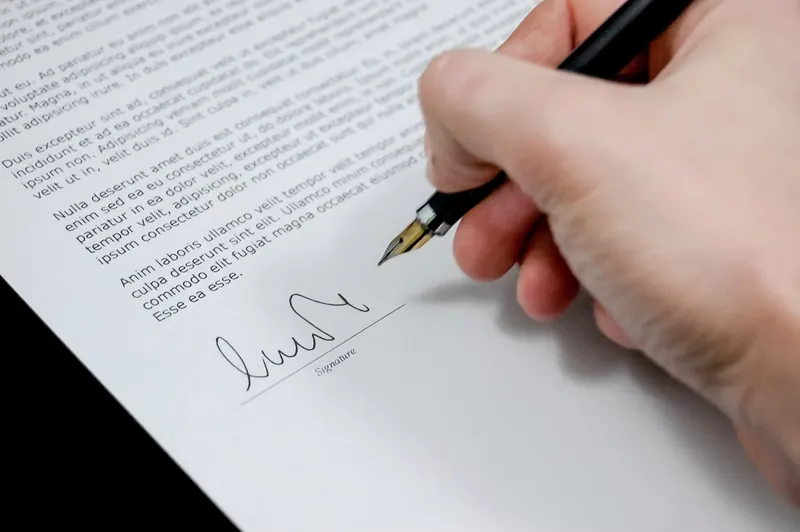
- Do not sign anything blank or “to be filled in later,” and take a complete copy home.
- If the dealer calls days later saying the financing “fell through,” read the spot-delivery clause before returning anything.
What to say
“Before I sign, show me the itemization of the amount financed. I did not ask for the service contract on line four; please remove it and reprint.”
Also called: RIC, retail installment sale contract.