What “Odometer rollback” means
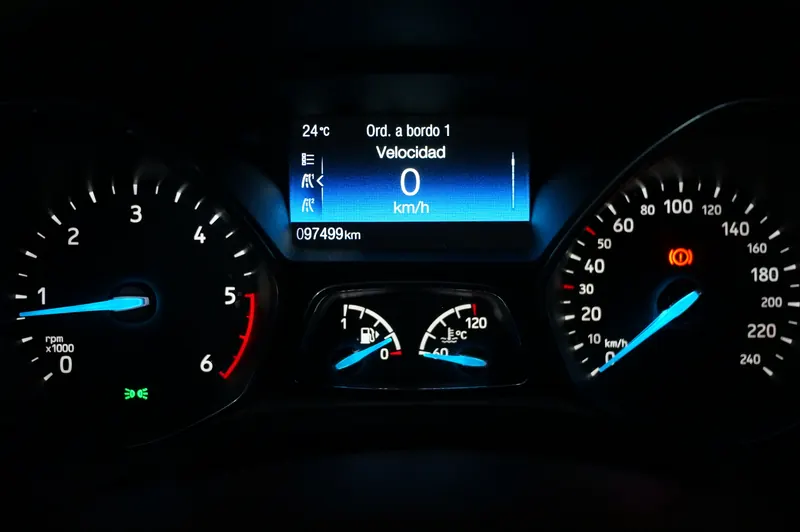
An odometer rollback is when someone changes the mileage a car displays so it looks less used and sells for more. Mechanical odometers were turned back by hand; digital ones are reprogrammed with a tool plugged into the diagnostic port. The dashboard then shows a clean, lower number with nothing visibly wrong.
Federal law requires a written mileage statement when most vehicles change hands, and it is a crime to change an odometer or lie about the reading. The odometer disclosure on the title or a separate form is where that statement lives. Older vehicles are exempt from the written statement in some cases, which is one reason history records matter more on them.
How it shows up at the dealership
A rollback rarely shows on the lot. It shows in the paper trail: a vehicle history report that lists a higher reading at an inspection, oil change or auction than the car shows today; a service sticker in the door jamb or on the windshield with a higher number; wear on the pedals, seat and steering wheel that does not match a low-mileage car.
Ask the seller for the title before you pay and read the mileage line yourself. If the title says “not actual mileage” or “exceeds mechanical limits,” the car is priced wrong if it is priced as a low-mileage car.
What to do
- Pull a history report and read every mileage entry in order. The numbers should only go up.
- Open the driver’s door and look for service or oil-change stickers; compare them with the dash.
- Have a pre-purchase inspection done; a shop can often read the mileage stored in the car’s modules, which does not always match a reprogrammed dash.
- Walk away from a seller who will not show the title. A missing title and a suspiciously low number together are a warning.
- If you find a rollback after buying, keep the records and contact your state attorney general’s office; the law provides remedies.
What to say
“The history report shows 98,000 miles at the last inspection and the dash says 61,000. I’ll need to see the title’s odometer line before we go any further.”
Also called: odometer fraud, mileage tampering.