What “Level 2 charging” means
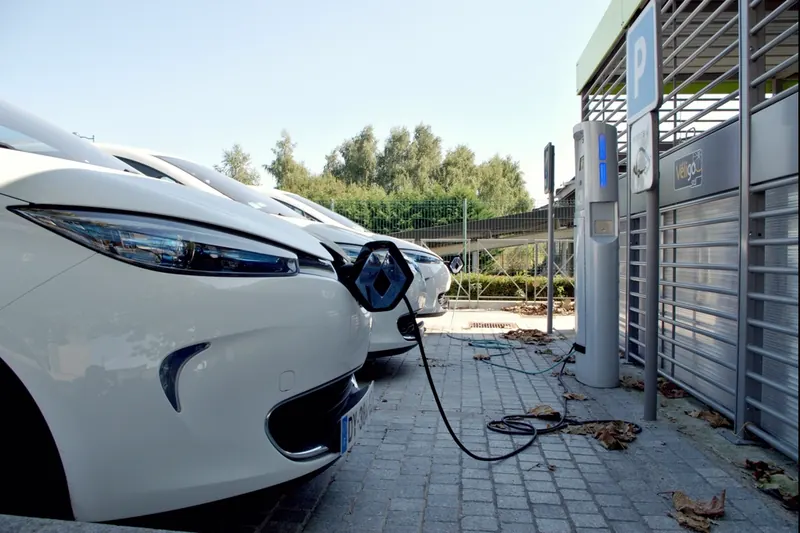
Electric cars charge at three levels. Level 1 is an ordinary 120-volt household outlet, slow enough that an overnight charge adds only a modest amount of range. Level 2 uses a 240-volt circuit, the kind an electric dryer or oven uses, and adds range several times faster, so a car that comes home at the end of the day is full by morning. DC fast charging is the public road-trip option and is not something you install at home.
How fast a Level 2 charger fills your car depends on the car’s own onboard charger as much as on the wall unit, so the same charger adds range at different rates for different models. The number to look for on the spec sheet is the onboard charger’s kilowatt rating.
How it shows up at the dealership
Dealers sell EVs on range and incentives and rarely ask where you will charge. If you own your home, a Level 2 installation means an electrician, a dedicated circuit and sometimes a panel upgrade, and the cost swings widely with the distance from the panel and the age of the wiring. If you rent or park on the street, the practical question is whether work or public Level 2 charging is close enough to live on.
Some brands bundle a home charger or an installation credit with the car, and some utilities offer rebates or off-peak rates. Those belong in the deal math alongside the tax credit.
What to do
- Before you shop, get an electrician’s quote for a 240-volt circuit where you park; it changes the real cost of the car.
- Check the car’s onboard charger rating and the charger’s output; the lower of the two sets your speed.
- Ask the dealer what charger or installation credit comes with the car and what the utility offers.
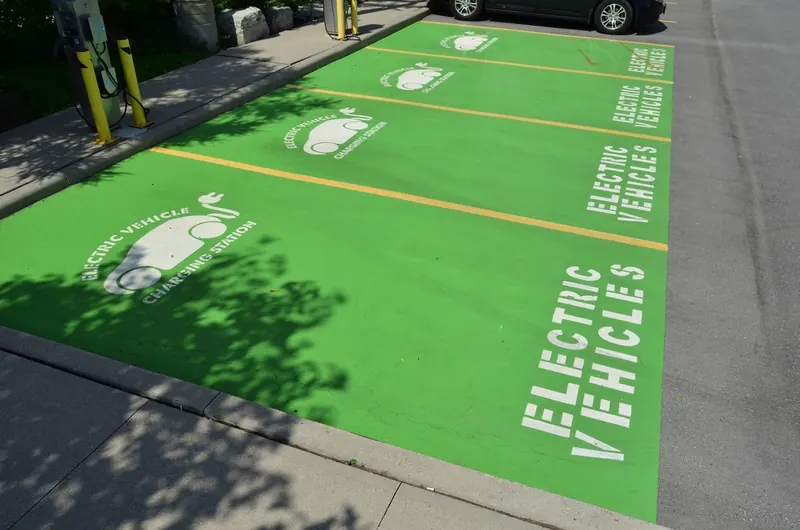
- If you cannot charge at home, map the Level 2 and fast chargers you would actually use before you buy.
- On a used EV, ask for the battery state of health along with the charging history.
What to say
“Does this car come with a home charger or an installation credit, and what is its onboard charger rated at? I’m getting the circuit quoted this week before I decide.”
Also called: L2 charging, 240-volt charging.